


Low-E Glass vs Regular Glass: What’s the Difference?
2026-06-08 返回列表
In modern construction and façade engineering, glass is no longer just a transparent material. It plays a crucial role in energy efficiency, indoor comfort, and overall building performance. Among all types of architectural glass, Low-E glass (Low Emissivity glass) has become one of the most widely used solutions in high-performance buildings worldwide.
But what is the real difference between Low-E glass and regular glass? And why is Low-E glass becoming the global standard for modern architecture?
What is Regular Glass?
Regular glass, also known as float glass, is the most basic and widely used type of architectural glass. It is produced by floating molten glass on a bed of molten tin, which creates a smooth, flat, and highly transparent surface.
Regular glass offers good clarity and is widely used in construction due to its low cost and simple manufacturing process. However, it provides almost no thermal insulation performance.
It allows heat, visible light, and ultraviolet radiation to pass through easily. As a result, buildings using regular glass often experience higher heat gain in summer and significant heat loss in winter, leading to increased energy consumption for heating and cooling systems.
What is Low-E Glass?
Low-E glass stands for Low Emissivity glass, which is designed to improve energy efficiency by controlling heat transfer through the glass surface.
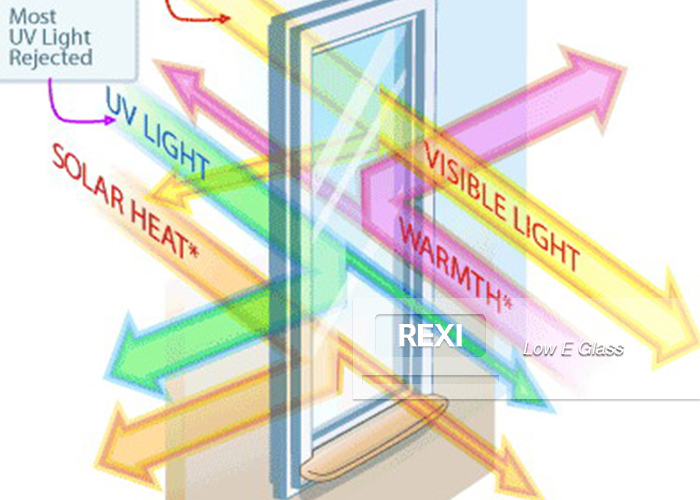
It features an extremely thin, transparent metallic coating that reflects infrared heat while still allowing visible light to pass through. This coating helps regulate indoor temperature by reducing unwanted heat gain in summer and minimizing heat loss in winter.
In simple terms, Low-E glass acts as a thermal barrier. It helps keep heat inside during cold seasons and blocks excessive solar heat during hot seasons, while still maintaining natural daylight.
Key Differences Between Low-E Glass and Regular Glass
The most significant difference lies in energy performance. Regular glass provides no thermal control, while Low-E glass is engineered to manage heat transfer efficiently.
Regular glass only offers basic transparency without energy-saving functions. In contrast, Low-E glass significantly reduces heat exchange between indoor and outdoor environments.
Another key difference is UV protection. Regular glass allows most ultraviolet radiation to pass through, which can cause fading of furniture, flooring, and interior materials. Low-E glass blocks a large portion of UV rays, helping protect interior spaces and extend material lifespan.
In terms of comfort, buildings using Low-E glass maintain more stable indoor temperatures and reduce heat zones near windows, improving overall occupant comfort.
From an energy consumption perspective, regular glass buildings require more heating and cooling, while Low-E glass helps reduce HVAC loads and lower long-term energy costs.
How Low-E Glass Improves Building Performance
Low-E glass plays an essential role in modern sustainable architecture. By reflecting infrared radiation, it significantly reduces unwanted heat transfer through windows, improving overall building energy efficiency.
It also enhances indoor comfort by minimizing temperature fluctuations near glazing areas, which is especially important in large curtain wall systems and high-rise buildings with extensive glass façades.
In addition, Low-E glass provides effective UV control, helping protect interior finishes, furniture, and materials from fading and aging.
When used in insulated glass units (IGU), Low-E coatings work even more efficiently by combining thermal insulation with air or gas-filled cavities, further improving overall performance.
Types of Low-E Glass
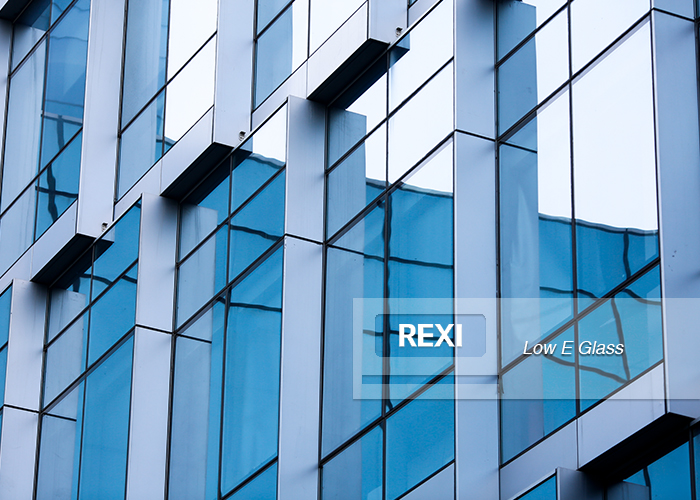
Low-E glass is generally classified into two main types.
Hard coat Low-E glass is produced during the glass manufacturing process at high temperatures. It is durable and easier to handle, making it suitable for basic applications or single glazing, although its energy performance is relatively moderate.
Soft coat Low-E glass is manufactured using vacuum sputtering technology after the glass is formed. It offers much higher energy efficiency and superior solar control performance. However, it is more sensitive and is typically used inside insulated glass units to protect the coating layer.
Applications of Low-E Glass
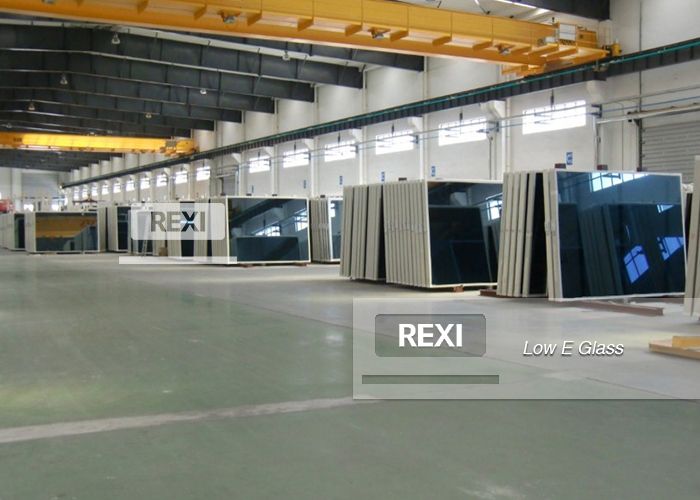
Low-E glass is widely used in modern architectural projects where energy efficiency and indoor comfort are key requirements.
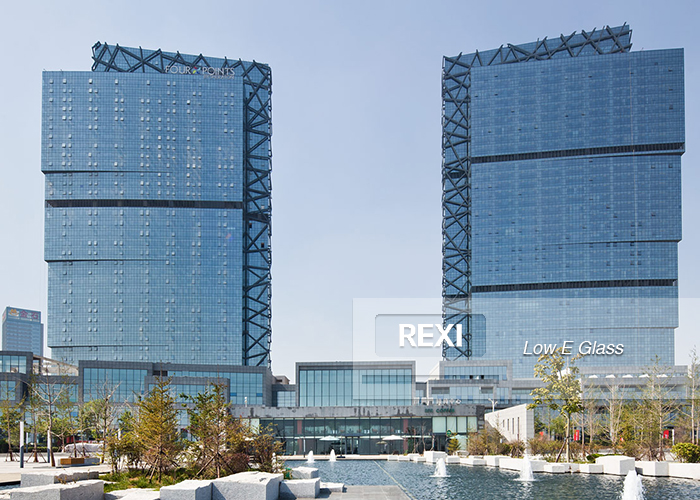
It is commonly applied in commercial curtain wall systems, high-rise buildings, office towers, residential windows, shopping malls, airports, and public infrastructure projects.
It is especially important in green building projects and energy-efficient designs that require strict thermal performance standards.
When Should You Choose Low-E Glass?
Low-E glass is the ideal choice when energy efficiency is a priority. It is particularly suitable for buildings located in regions with strong sunlight, extreme temperatures, or high HVAC demand.
It is also recommended for sustainable construction projects, green buildings, and developments aiming to reduce long-term operational costs.
Regular glass may still be used in interior partitions or low-performance applications where thermal insulation is not required. However, it is generally not suitable for modern exterior façades.
Conclusion
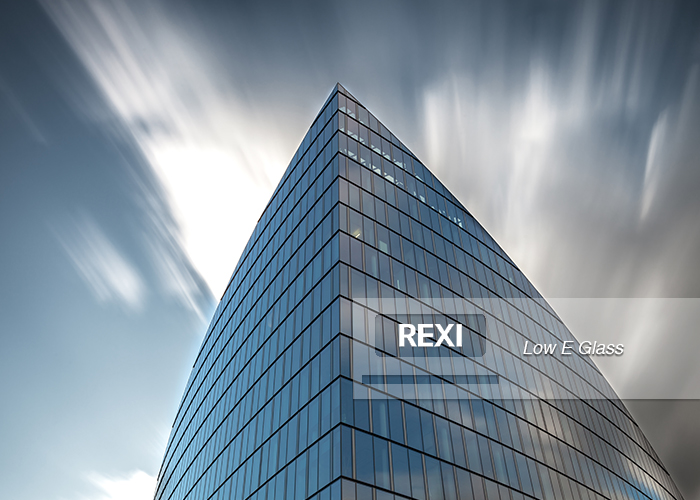
The difference between Low-E glass and regular glass goes far beyond appearance. It represents a difference in performance, energy efficiency, and long-term building value.
While regular glass remains a basic and economical material, it lacks thermal control. Low-E glass, on the other hand, is a modern high-performance solution designed for energy-efficient and sustainable architecture.
As global building standards continue to evolve, Low-E glass is becoming an essential material in the future of façade engineering and green building development.
About REXI
REXI Glass is a professional manufacturer specializing in architectural glass and curtain wall systems, committed to providing high-quality energy-efficient glass solutions for global clients.
Our product range includes Low-E glass, insulated glass units (IGU), laminated glass, tempered glass, and curtain wall system solutions. These products are widely used in commercial buildings, high-rise façades, residential projects, and public infrastructure developments.
With advanced production equipment, a strict quality control system, and extensive export experience, REXI products have been exported to many countries and regions worldwide, earning a strong reputation in the international architectural glass market.
REXI consistently focuses on high performance, energy efficiency, environmental protection, and sustainable development, delivering safer, more comfortable, and more efficient glass solutions for modern architecture around the world.
Prev: No Source
Next: REXI Concludes Successful Participation at the 35th China Glass Expo in Shanghai


